What Winter Teaches Us About Rest and Why Our Nervous System Needs It
A season shaped by pause, not productivity
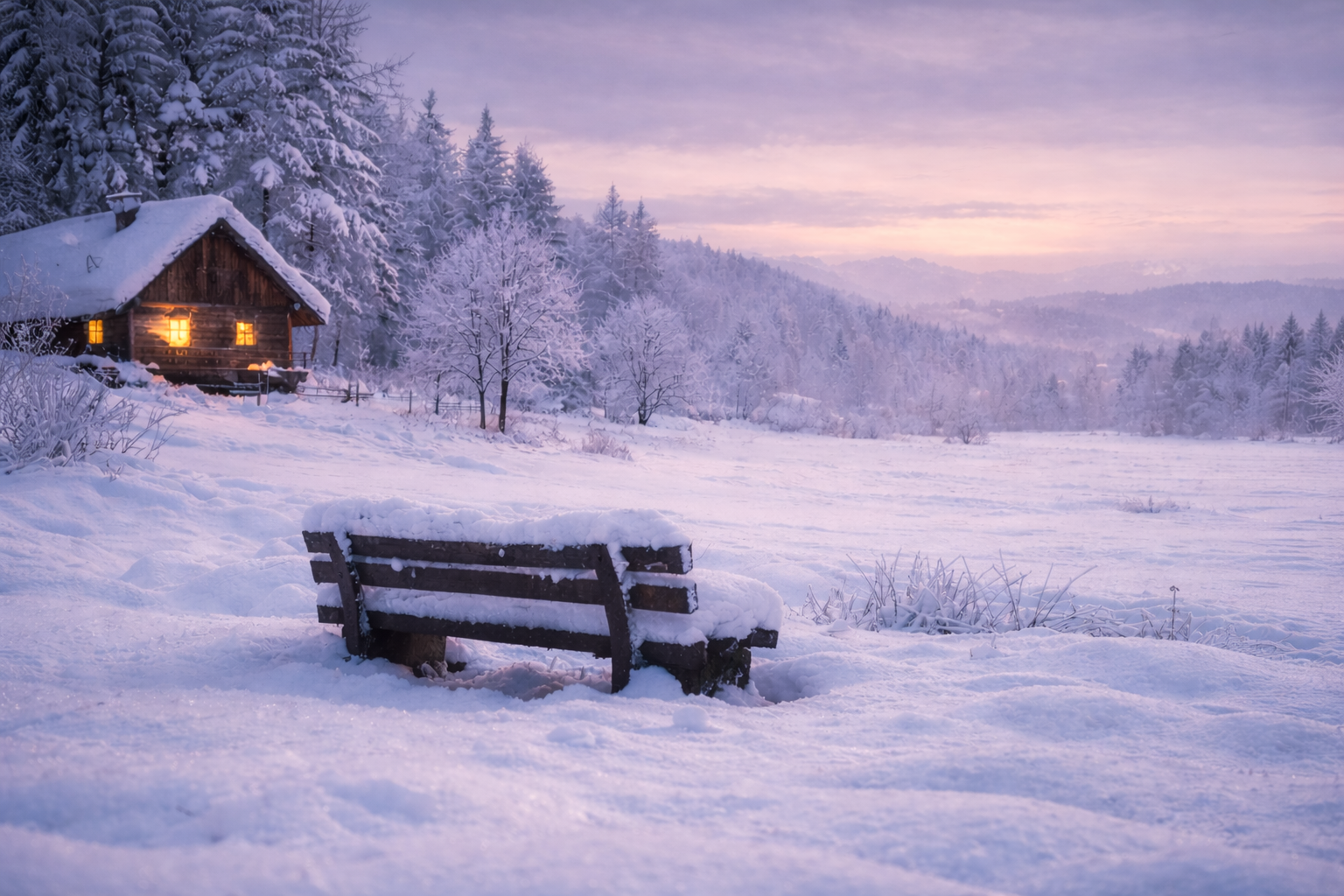
Winter has always been a season of quiet instruction.
Not through force, but through invitation.
The land slows. Light shortens. Movement becomes deliberate. Even the natural world seems to turn inward — not in retreat, but in restoration.
And yet, modern life asks us to do the opposite.
We maintain the same pace. The same output. The same expectations. We carry summer rhythms straight through the cold months, wondering why exhaustion deepens instead of lifting.
What winter teaches — and what we often ignore — is that seasonal rest is not a pause from life. It is a phase of life.
Rest Is Not the Absence of Activity
We tend to think of rest as stopping.
But winter does not stop.
Seeds settle. Roots strengthen. Soil reorganizes. Systems quietly prepare for what will come later.
This is not inactivity.
It is
hidden work.
In the body, something similar happens. When the pace slows, nervous system regulation occurs. Energy that is usually spent outward becomes available inward — for repair, integration, and renewal that cannot happen in constant motion.
Winter reminds us that not all growth is visible.
Some of the most important work happens below the surface.
Why Winter Rest Feels So Uncomfortable
Many people experience winter as heavy, dull, or unmotivating. Not because the season is wrong — but because our lives no longer align with its rhythm.
We’ve learned to associate worth with productivity.
So when the body naturally wants to slow, the mind interprets that as failure.
But the body is not malfunctioning.
It is responding appropriately to a quieter environment.
The discomfort we feel is often not about tiredness — it is about disobedience to a culture that never stops asking for more.
Winter invites us to choose a different kind of success:
less output, more coherence.
Rest as a Form of Intelligence
In nature, seasonal rest is strategic.
It conserves resources. It preserves energy. It creates resilience.
The same is true for humans.
When we allow winter to be slower:
- sleep deepens
- digestion settles
- emotional tone becomes steadier
- the nervous system finds its baseline again
This is not indulgence.
It is intelligent design.
Rest, when aligned with season, becomes a form of seasonal self-regulation — not something we earn after burnout, but something we practice before depletion.
The Cultural Cost of Ignoring Winter
When we override winter’s rhythm year after year, the body adapts — but at a cost.
Fatigue becomes normal.
Tension becomes familiar.
Restlessness replaces rest.
We lose our relationship to natural cycles and begin living in one long season of demand.
Winter teaches that sustainability is not about endurance.
It is about honoring phases.
Without winter, there would be no spring.
Without rest, there is no true vitality — only momentum.
Returning to Seasonal Care
To return to care in winter is to return to realism.
It means:
- allowing yourself to need more rest
- choosing warmth over intensity
- favoring containment over expansion
- letting quiet be enough
This does not mean withdrawing from life.
It means
meeting life at the pace the season supports.
In this way, winter becomes not something to get through — but something to receive.
What Winter Quietly Offers
Winter does not demand transformation.
It offers restoration.
It does not ask for reinvention.
It offers repair.
And it does not insist on progress.
It offers presence.
What winter teaches us about seasonal rest is simple, and we often ignore it:
You do not need to keep going at full speed to be valuable.
You do not need to be productive to be worthy.
You do not need to be moving to be alive.
Sometimes the most faithful thing you can do is slow down —
and let the season carry you for a while.